

Chinese and Japanese Noodles: Same Engineering, Different Eating Cultures
Introduction
In the global food industry, “Ramen Noodles” has become more than just a dish; it is a high-performance noodle engineered for specific sensory experiences. Whether you are a factory owner producing bulk Japanese Ramen↗ for the EU and US market or Chinese Fresh Noodles↗ for local distribution, you are operating in a space where Eating Culture dictates Engineering Specs.
At NoodleMachinePro, we believe that while the culture defines the bowl, the engineering defines the success of the factory.
1. Shared Origins, Similar Engineering
Both Chinese and Japanese noodles follow similar mechanical and chemical principles.
Once the flour, salt, kansui and water ratio (hydration) is set, the processing workflow↗ — mixing, resting, compounding, resting, thinning gradual, and cutting — creates a same gluten network↗, and operates on the same logic.
- Hydration ratio:
- North Chinese knife-cut noodles (Dao Xiao Mian) often exceed 40% water to create a softer texture suitable for hand-cutting.
- Chinese Chongqing Xiao Mian is about 28% hydration ratio for a special taste.
- Japanese ramen can range from 24% (for firm Hakata-style noodles) to 36% or more (for soft Sapporo-style noodles).
Despite these differences, both systems rely on controlling gluten structure and dough elasticity.
- Production compatibility:
Modern noodle making machines can easily handle both Chinese and Japanese styles.
The same machine configuration — mixer, roller, cutting head — can produce fresh noodles for Chinese cuisine or ramen for Japanese applications.
What changes are only the fine-tuning parameters: water content, sheet thickness, and noodle width.
In other words, the distinction is not in the machine — it’s in the meal.
2. Chinese Fresh Noodles — The “One Noodle, Hundreds of Soups” Culture
China’s noodle culture is built on freedom and flexibility.
There is no “official pairing” between noodles and soup; instead, noodles serve as a universal base adaptable to endless flavors and regional variations.
- Multi-scene adaptability:
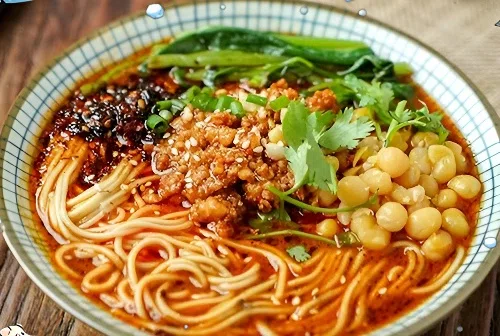
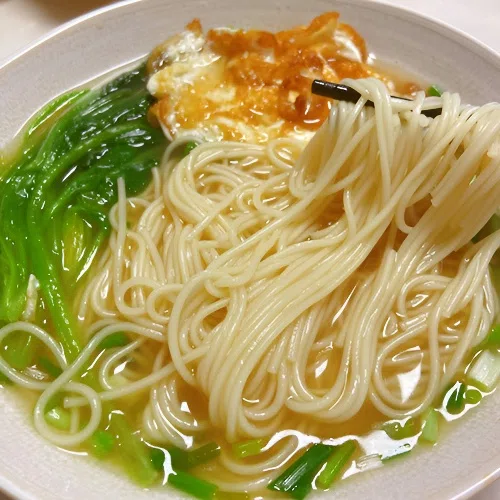
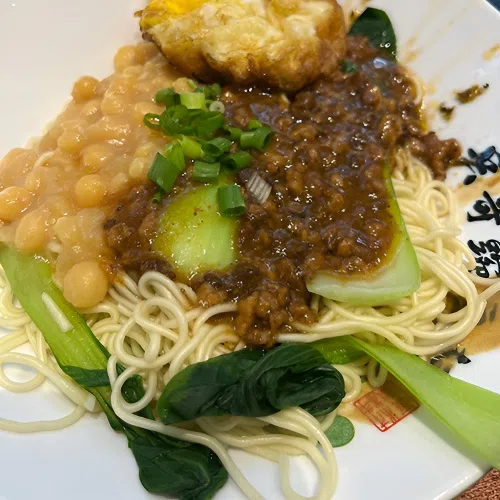
A single batch of fresh noodles with 30% hydration can be used for clear broth noodles, chili oil mixed noodles, or braised beef noodles — simply by changing the seasoning and broth.
In Chongqing, the same 28% hydration noodles are used for red-oil spicy noodles, clear soup noodles, and even dry mixed noodles, without altering the noodle itself. - Regional creativity:
From the sour flavors of Shaanxi to the sweet styles of Jiangsu and the spicy dishes of Sichuan, Chinese noodles absorb each region’s culinary spirit.
Even century-old noodle shops continue to innovate, creating new recipes while preserving tradition.
This open, “boundary-free” approach is a core strength of Chinese noodle culture. - Cultural principle:
There is no concept of a “dedicated broth.”
The same noodle can serve hundreds of soups — or none at all.
This flexibility mirrors the Chinese culinary philosophy: adapt, innovate, and diversify.
3. Japanese Ramen Noodles — The “Broth-Specific” Philosophy
Japanese ramen takes the opposite approach.
Every ramen style is defined by its broth first — and the noodles are engineered to match that specific broth in water absorption, texture, and cooking performance.
| Ramen Style | Typical Hydration | Noodle Type | Broth Match |
|---|---|---|---|
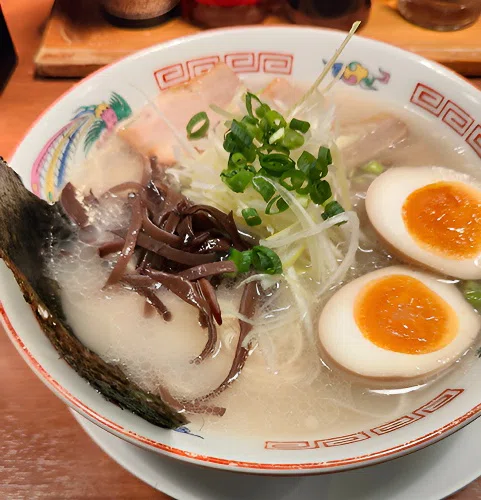
| Hakata (Fukuoka) | 24–28% | Very fine, low-hydration straight noodles | Thick, milky tonkotsu broth |
| Sapporo (Hokkaido) | 31–35% | Curly, high-hydration noodles | Rich miso broth with extra oil |
| Tokyo | 33–36% | Medium straight noodles | Clear soy-sauce broth |
| Kyoto | 32–35% | Soft straight noodles | Pork-soy broth with back-fat |
| Kumamoto | 29–32% | Medium noodles | Tonkotsu broth with roasted garlic oil |
This one broth, one noodle relationship defines ramen’s identity:
- The broth determines the noodle’s thickness and hydration.
- The noodle must “survive” in the soup’s temperature, oil level, and salt concentration.
- Substituting the wrong type (e.g., using Hakata noodles in miso ramen) can cause texture imbalance and flavor mismatch.
Ramen is therefore a precision-driven, broth-anchored system — a reflection of Japan’s attention to harmony and craftsmanship.
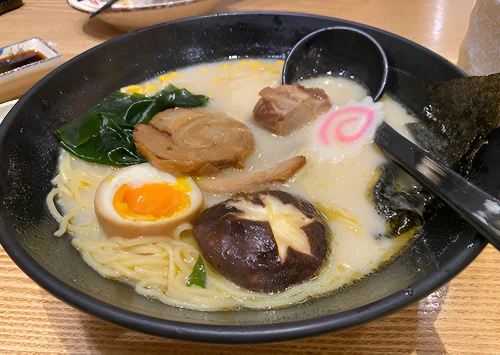
4. Comparison: Two Logics, Two Cultural Paths
| Aspect | Chinese Fresh Noodles | Japanese Ramen Noodles |
|---|---|---|
| Culinary Role | Universal staple, multi-purpose | Specialized dish, broth-specific |
| Pairing Logic | One noodle, many soups option | One soup, one noodle |
| Innovation Culture | Decentralized, open, regional creativity | Codified, shop-specific tradition |
| Production Impact | Emphasizes flexibility and broad compatibility | Requires precise hydration and noodle design |
| Machinery Design | Multi-use, adjustable rollers and cutters | Fine-tuned control for fixed recipes |
Both systems represent excellence — one in adaptability, the other in precision.
And both can be produced on the same modern noodle machinery with the right calibration.
5. Insights for Food Machinery Manufacturers
Whether producing Chinese fresh noodles or Japanese ramen noodles, both processes demand precision, consistency, and adaptability.
Although the eating cultures differ — “one noodle, hundreds of soups” versus “one soup, one noodle” — the engineering requirements for quality noodles are universally rigorous.
At NoodleMachinePro, we understand that the art of noodle-making is not limited by geography but defined by control and flexibility:
- Precision in Process Control:
Every batch requires accurate water addition, uniform gluten development↗, and stable rolling pressure.
From low-hydration to high-hydration, our systems deliver repeatable precision. - Versatility in Product Output:
A single production line can produce multiple noodle types — thin Hakata ramen, curly Sapporo noodles, hand-cut Chinese noodles, or dumpling wrappers — simply by adjusting hydration ratio and noodle slitters. - Unified Machinery Platform:
The same NoodleMachinePro dough mixers, and multi-roller systems can be customized to meet both Japanese and Chinese specifications.
Rather than two separate technologies, we offer one adaptable engineering foundation — precise, reliable, and globally compatible.
By integrating mechanical precision with recipe versatility, NoodleMachinePro’s custom noodle production solutions↗ help ramen factories and fresh noodle manufacturers achieve authentic texture and taste — consistently, batch after batch Chinese fresh noodles or Japanese ramen noodles— using the same production platform but different fine-tuning parameters.
Conclusion
Chinese and Japanese noodle cultures stem from the same grain — wheat — yet have evolved along completely different paths.
- In China, noodles are a universal foundation, endlessly adapted and reimagined.
- In Japan, ramen is a complete dish, meticulously designed as a harmony of broth and noodle.
From a machinery standpoint, both share the same scientific foundation — flour, salt, water, and control.
From a cultural standpoint, they represent two philosophies: freedom vs. precision, diversity vs. specialization.
Understanding both helps noodle manufacturers, food factories, and OEM clients choose the right strategy — and the right machine — for their market.
👉 Further Reading — Part 2 of This Discussion
A new national trend in China—fresh, wok-fried toppings poured directly over noodles—is rapidly spreading across the country. This phenomenon further highlights the cultural differences explored in this article. For a deeper look at how this “wok-to-bowl” movement reflects China’s dynamic noodle culture, read our follow-up analysis: China’s New Wok-to-Bowl Noodle Trend↗.
👉 Also read Ramen vs. Noodles: Key Production Differences for Noodle Factories↗
Frequently Asked Questions
📌 Let’s Assist You
Engineering Authenticity for Every Bowl. Whether you are building a brand in the competitive Ramen market or supplying traditional Chinese fresh noodles, your equipment should be your greatest competitive advantage.
Email directly: info@NoodleMachinePro.com


Talk to Zhou on Wechat
Scan the code to add
Or, if you prefer, simply fill out our Contact Form and tell us your production goals.
We’ll get back to you with a tailored recommendation within 24 hours.


